





Stretching is a simple, accessible way to improve your flexibility, reduce muscle tension, and enhance overall body awareness. Whether you’re new to exercise or looking to add gentle movement to your day, stretching at home can be an excellent starting point. This beginner’s guide will help you understand the benefits of stretching, teach you essential techniques, and provide easy routines you can do without any special equipment.
Why Stretching Matters
Stretching is more than just a warm-up step before workouts. It helps:
– Increase flexibility, which can improve posture and range of motion.
– Decrease muscle stiffness and soreness.
– Reduce the risk of injuries during physical activity.
– Promote relaxation and reduce stress.
When done regularly, stretching supports better movement patterns and overall physical comfort.
Preparing to Stretch Safely at Home
Before you start, keep a few safety tips in mind:
– Warm up first: Stretching cold muscles can cause injury. Spend 5-10 minutes doing light activity like walking or marching in place.
– Wear comfortable clothes: Loose, breathable clothing helps unrestricted movement.
– Choose a quiet space: A calm environment helps you focus and relax during your stretching routine.
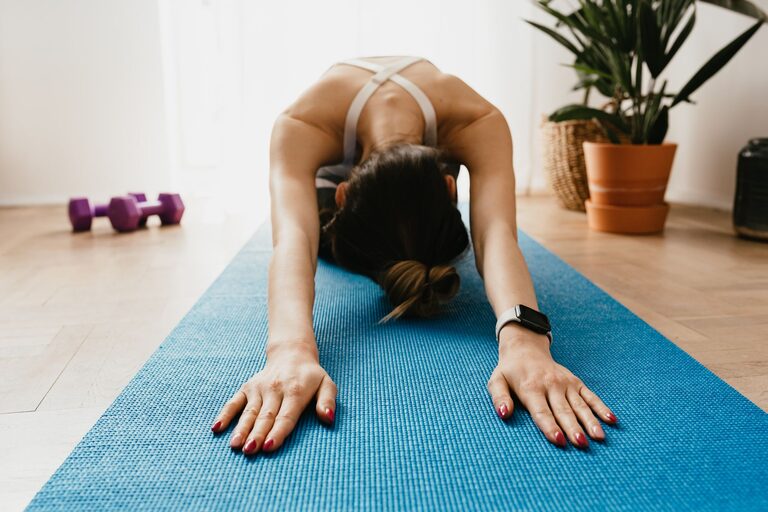
– Use a mat or soft surface: This protects your joints when stretching on the floor.
– Breathe deeply: Never hold your breath during stretches. Use slow, steady breaths to relax your muscles.
Basic Stretching Techniques for Beginners
There are two main types of stretches you can try:
1. Static Stretching
This involves holding a stretch for 15 to 60 seconds without moving. It’s effective for improving flexibility and muscle relaxation.
How to do it:
– Move slowly into the stretch until you feel gentle tension.
– Hold the position without bouncing.
– Breathe deeply and relax into the stretch.
2. Dynamic Stretching
Dynamic stretches involve gentle, controlled movements that take your muscles through their full range of motion. They’re great as part of a warm-up.
How to do it:
– Perform slow, purposeful movements.
– Avoid jerky or fast motions.
– Repeat each movement 8-12 times.
Essential Stretches to Start At Home
Here are some beginner-friendly stretches targeting common tight areas:
Neck Stretch
– Sit or stand tall.
– Gently tilt your head to one side, bringing your ear toward your shoulder.
– Hold for 20-30 seconds.
– Repeat on the other side.
Shoulder Stretch
– Reach one arm across your body.
– Use the opposite hand to gently pull the arm closer to your chest.
– Hold for 20-30 seconds.
– Switch arms.
Chest Stretch
– Stand in a doorway and place your hands on either side at shoulder height.
– Step forward slowly until you feel a stretch across your chest.
– Hold for 20-30 seconds.
Cat-Cow Stretch (Back and Spine)
– Start on hands and knees.
– Arch your back, tucking your chin toward your chest (Cat).
– Then, lower your belly and lift your head and tailbone (Cow).
– Repeat this flowing movement 8-10 times.
Hamstring Stretch
– Sit on the floor with one leg extended straight.
– Reach toward your toes while keeping your back straight.
– Hold for 20-30 seconds.
– Switch legs.
Quadriceps Stretch
– Stand tall and hold onto a wall or chair for balance.
– Bend one knee and grab your ankle behind you.
– Gently pull your foot toward your buttocks.
– Hold for 20-30 seconds.
– Switch legs.
Calf Stretch
– Stand facing a wall.
– Place one foot behind the other, keeping the back leg straight and the heel on the floor.
– Lean toward the wall until you feel a stretch in your calf.
– Hold for 20-30 seconds.
– Switch legs.
Creating a Simple Stretching Routine
You can combine these stretches into a daily routine that takes about 10-15 minutes:
- Warm up with 5 minutes of light activity.
- Perform dynamic stretches like arm circles and leg swings.
- Move into static stretches, holding each for 20-30 seconds.
- Repeat stretches 1-2 times if time allows.
- Focus on breathing and relaxing throughout.
Try to stretch at least 3-4 times per week for noticeable improvements in flexibility and comfort.
Tips for Consistency and Progress
– Set a schedule: Make stretching part of your morning or evening ritual.
– Use reminders: Place a note or alarm to encourage regular practice.
– Listen to your body: Stretch to the point of mild tension, never pain.
– Be patient: Flexibility takes time to develop.
– Stay hydrated: Drinking water supports muscle health.
When to Avoid Stretching
If you experience sharp pain, swelling, or injury, it’s best to pause stretching and consult a healthcare professional. Also, avoid bouncing stretches, which can cause muscle tears.
Final Thoughts
Stretching is an easy, low-cost way to improve your wellbeing no matter your age or fitness level. By incorporating gentle stretching into your daily routine, you can increase flexibility, reduce discomfort, and foster a sense of calm. Start with these beginner stretches and build your confidence to explore more advanced movements as you progress.
Remember, consistency and mindful technique are key. Happy stretching!