






Reducing food waste at home is a simple yet powerful way to save money and protect the environment. Millions of tons of edible food are thrown away each year, contributing to greenhouse gas emissions and wasted resources. By making a few mindful adjustments to your shopping, cooking, and storage habits, you can significantly cut down on food waste. Here are practical tips to get started.
Understand the Impact of Food Waste
Before diving into tips, it’s helpful to know why reducing food waste matters. When food is wasted, so are the water, energy, land, and labor used to produce it. Additionally, discarded food in landfills produces methane, a potent greenhouse gas. By minimizing waste, you conserve resources and reduce your carbon footprint.
—
Plan Your Meals and Shopping
Create a Weekly Meal Plan
Planning meals ahead of time ensures you buy only what you need. It helps avoid impulse purchases and reduces the chance of foods spoiling before use.
– List meals for the week, including breakfasts, lunches, dinners, and snacks.
– Check what you already have in your pantry and fridge before shopping.
Make a Detailed Shopping List
Stick to your list when you shop. Avoid buying in bulk unless you’re sure you will use it promptly.
– Use apps or paper lists to keep track.
– Consider portion sizes to avoid overbuying.
—
Smart Storage Techniques
Keep Food Fresh Longer
Proper storage extends the life of fruits, vegetables, dairy, and leftovers.
– Store herbs like fresh flowers in water.
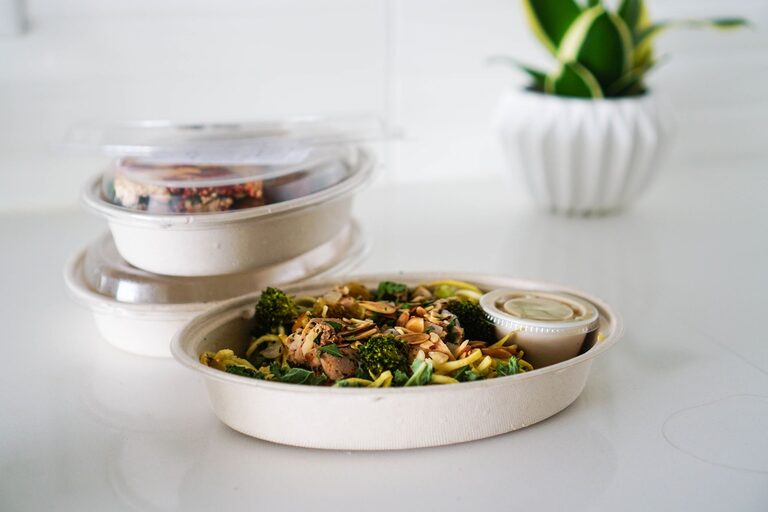
– Use airtight containers for leftovers.
– Keep vegetables like carrots and celery in the crisper drawer.
Understand Expiration Dates
Labels like “sell by,” “use by,” and “best before” indicate quality, not safety in many cases.
– Use your senses to check if food is still good.
– Freeze items if you can’t use them immediately.
—
Use Leftovers Creatively
Repurpose Leftover Ingredients
Get creative with meals by incorporating leftovers.
– Turn roasted vegetables into soups or omelets.
– Use stale bread for croutons or breadcrumbs.
– Make smoothies from overripe fruits.
Batch Cook and Freeze
Prepare larger portions and freeze individual servings for later.
– Label containers with contents and dates.
– Freeze soups, stews, pasta sauces, and cooked grains.
—
Manage Portions Wisely
Serve Appropriate Amounts
Often, plate waste arises from serving more food than needed.
– Start with smaller portions; people can always take more.
– Store leftovers immediately to avoid forgetting.
—
Compost Food Scraps
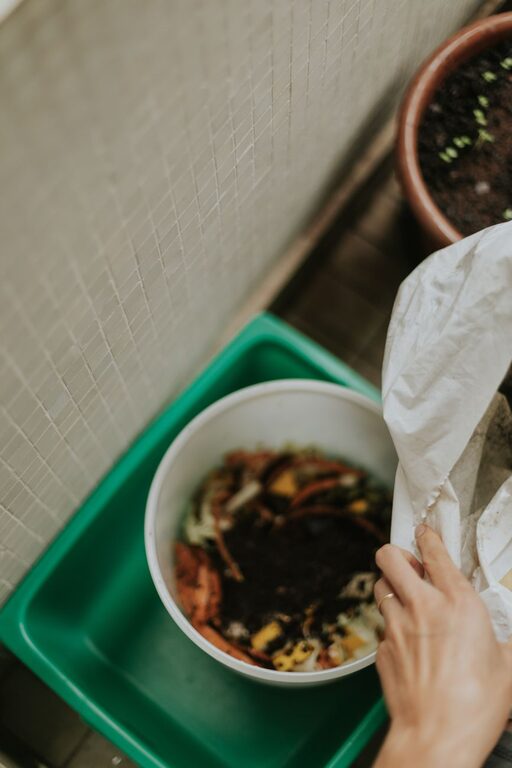
Even with best efforts, some food scraps are unavoidable.
– Create a compost bin for vegetable peelings, coffee grounds, eggshells, and more.
– If composting isn’t possible, check if your community offers food scrap recycling.
—
Educate and Involve Your Household
Share the Goal
Encourage family members or roommates to join your food waste reduction efforts.
– Discuss meal planning together.
– Share tips and challenges to stay motivated.
—
Additional Tips to Reduce Waste
– Buy “ugly” or misshapen produce, which is often discarded before sale.
– Use clear storage containers so food is visible and remembered.
– Keep a list on your fridge of items needing to be used soon.
– Try growing herbs or vegetables at home to control portion and freshness.
—
Conclusion
Reducing food waste at home is achievable with small, consistent changes. Planning meals, storing food properly, using leftovers creatively, and composting scraps all contribute to less waste, saving money and helping the planet. Start with one or two habits today and build from there—every bit counts!