






Planning balanced meals doesn’t have to be a complicated or stressful task. With a little preparation and the right mindset, anyone can create nutritious meals that satisfy both the body and the taste buds. Whether you are new to meal planning or looking to simplify your routine, this guide offers practical tips to make balanced meal planning easy and enjoyable.
What Is a Balanced Meal?
A balanced meal includes a variety of food groups that provide essential nutrients your body needs. Generally, it consists of:
– Proteins: Such as lean meats, beans, tofu, fish, or eggs.
– Carbohydrates: Preferably whole grains like brown rice, quinoa, or whole wheat bread.
– Vegetables and Fruits: For vitamins, minerals, and fiber.
– Healthy Fats: Such as avocados, nuts, seeds, or olive oil.
– Dairy or dairy alternatives: For calcium and vitamin D.
Eating balanced meals helps maintain energy, supports overall health, and can prevent overeating.
Why Plan Meals Ahead?
Planning meals ahead of time offers several benefits:
– Saves time: Reduces daily decision-making and last-minute cooking stress.
– Reduces food waste: Buying only what you need helps minimize waste.
– Supports healthy choices: Helps avoid impulsive, less nutritious meals.
– Saves money: Planning budgets meals and reduces takeout expenses.
Steps to Stress-Free Meal Planning
1. Start with a Weekly Plan
Begin by outlining meals for the week. Consider how many meals you’ll need and any events that might affect your schedule.
2. Use Simple Templates
Create a flexible template to break down meals into components like protein, carb, and veggies. This helps maintain variety and balance without overthinking.
3. Incorporate Your Favorites
Include your favorite nutritious foods to make meals enjoyable and sustainable.
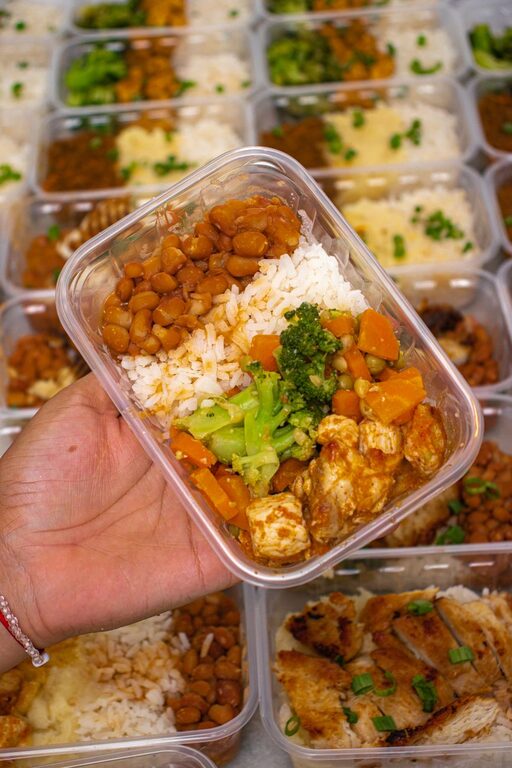
4. Batch Cook and Prep Ingredients
Prepare larger portions of staples such as grains, roasted vegetables, or cooked proteins. Store in the fridge or freezer to use throughout the week.
5. Keep a Well-Stocked Pantry
Having basics like canned beans, frozen vegetables, spices, and whole grains on hand makes it easier to whip up balanced meals quickly.
Tips for Balancing Nutrition Easily
Use the “Plate Method”
Visualize your plate as divided into sections:
– Half filled with vegetables and fruits.
– One-quarter with lean proteins.
– One-quarter with whole grains or starchy vegetables.
This simple guide helps create a balanced meal without counting calories.
Focus on Colorful Plates
Including a variety of colorful vegetables and fruits ensures you get a broad range of nutrients.
Don’t Forget Hydration
Plan to drink water throughout the day. Sometimes thirst is confused with hunger.
Minimize Highly Processed Foods
Try to limit foods high in added sugars, excessive salt, and unhealthy fats.
Sample Balanced Meal Ideas
– Breakfast: Greek yogurt with fresh berries, a sprinkle of nuts, and a drizzle of honey.
– Lunch: Quinoa salad with grilled chicken, mixed vegetables, and a lemon-olive oil dressing.
– Dinner: Baked salmon, steamed broccoli, and roasted sweet potatoes.
– Snack: Apple slices with almond butter or a handful of mixed nuts.
Make It Fun and Flexible
Meal planning should fit your lifestyle, not feel like a chore. Experiment with new recipes, flavors, and cooking methods to keep things interesting.
If one day doesn’t go as planned, don’t stress. Simply adjust the next day’s meals to balance overall nutrition for the week.
Tools to Help You Plan
– Meal planning apps: Many free and paid apps can help organize your meals and shopping lists.
– Printable planners: A simple weekly chart can keep you on track.
– Cookbooks or blogs: Find inspiration and ideas tailored to your preferences.
Final Thoughts
Balanced meal planning is a skill that gets easier with practice. With these tips, you can reduce mealtime stress, eat healthier, and enjoy the process of nourishing yourself and your family. Remember, the goal is progress, not perfection—start small, stay consistent, and make meal planning a natural part of your routine.